West Hampstead removals checklist for Sumatra Road flats
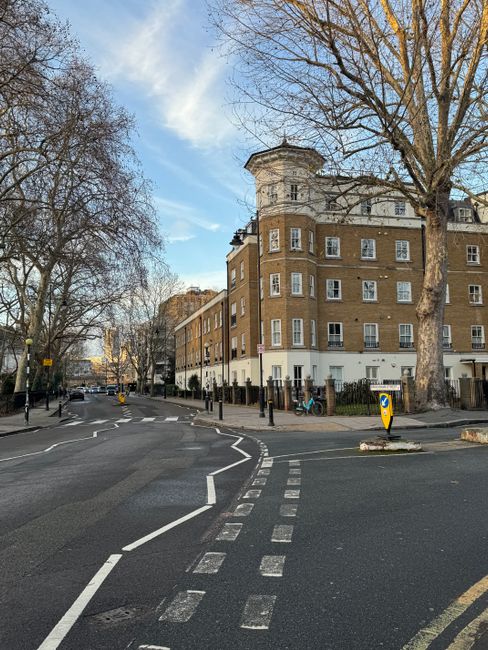
Moving out of a flat on Sumatra Road can feel deceptively simple on paper. It is only a short move across West Hampstead, maybe not even far at all, and yet the day can still unravel if the boxes are not labelled, the lift is busy, or you forget the little things like keys, meter readings, and building access. That is exactly why a West Hampstead removals checklist for Sumatra Road flats helps. It gives you a clear plan, keeps the move calm, and stops those awkward last-minute scrambles that everyone pretends they never have. Truth be told, most moving stress comes from small details stacking up.
This guide is built for real flat moves in a London neighbourhood where access, parking, stairs, timing, and storage decisions can all matter. You will find a practical step-by-step approach, a checklist, a comparison table, and a few local-minded tips that make life easier on moving day. If you are weighing up professional help, it may also be useful to look at flat removals, local removals, or even man and van support, depending on the size of your move. The idea is simple: less guesswork, more control.
Why West Hampstead removals checklist for Sumatra Road flats Matters
Flat moves are rarely just about lifting boxes into a van. In West Hampstead, the practical friction points usually sit around access, timing, shared spaces, and the fact that many flats are in buildings with neighbours who need a bit of consideration. A checklist matters because it turns a moving day from a memory test into a sequence of manageable jobs.
For Sumatra Road flats in particular, you may be dealing with narrow hallways, stairwells, parking that needs planning, or a limited window for loading. Even if your flat is compact, the contents can be oddly deceptive. One cupboard can hide enough clutter to fill three boxes. We have all seen it. A checklist prevents that last-day panic where you are eating takeaway off a kitchen chair because the mugs are already packed and nobody can find the kettle.
It also helps you think beyond the obvious. A good flat-moving plan covers the things people often forget: insurance documents, building keys, parking considerations, disposal of unwanted items, and whether you need short-term storage or a quick van-and-crew solution. If you are trying to compare options, the broader removals and removals and storage services pages can help you understand what kind of support is available.
Expert summary: the best moving-day checklists do not just list tasks. They sequence them. That is the difference between a rushed flat move and one that feels controlled, even if the day is a bit noisy and a bit messy around the edges.
How West Hampstead removals checklist for Sumatra Road flats Works
The checklist works by splitting the move into phases. You prepare early, pack in stages, confirm building and travel logistics, and then finish with a final sweep before leaving the flat. Simple enough, but this structure is what saves time and reduces errors.
1. Plan the move window first
Start with the date, the keys, and the timing. If you are moving from a flat, you will usually want to know when you can access the property, when the new place is ready, and whether there are any restrictions on loading. That matters more than people expect, especially in busy residential streets where a van can feel like it needs a degree in choreography to park safely.
2. Match the service to the size of the move
A studio flat and a two-bedroom flat do not need the same solution. A smaller move may suit a small removals approach or a single-van service. A fuller flat move may need a bigger crew, more packing help, or temporary storage. If you are still deciding, look at house removals for a sense of fuller household support, even if your move is apartment-based.
3. Pack in categories, not in a panic
The most efficient packing usually follows categories: essentials, kitchen, books, clothes, paperwork, fragile items, and anything you will need first in the new flat. Label boxes with both the room and a short content note. "Kitchen - glassware" is much better than "misc 3", which, let's face it, is where chaos likes to live.
4. Keep one clear final inspection routine
Before you leave Sumatra Road, do one proper walk-through. Check cupboards, behind doors, under beds, the fridge, bathroom shelves, and windows. Take meter readings if needed, collect keys, and make sure rubbish, recycling, and cleaning tasks are done. That final pass is often the difference between a smooth handover and a frustrating call the next day.
Key Benefits and Practical Advantages
A well-built removals checklist does more than keep you organised. It reduces stress in ways that are very tangible on the day itself. You will notice fewer delays, less lifting around, and far less of that "wait, where did we put the charging cables?" feeling at 9 p.m. after a long move.
- Fewer last-minute surprises: You catch missing boxes, missing keys, and missing access arrangements before they become real problems.
- Better protection for belongings: Careful packing and labelling lower the chances of breakage or confusion.
- Less wasted time: When boxes are grouped properly, movers or helpers can unload in a sensible order.
- Lower physical strain: Planning the load prevents unnecessary double handling and awkward carrying.
- More confidence under pressure: You are not trying to remember everything at once. The list remembers it for you.
There is also a financial benefit, even if it is indirect. Good preparation can reduce the risk of needing urgent storage, extra trips, or emergency packing materials. If you do need to hold items for a few days or weeks, services such as short term storage, household storage, or secure storage may be worth considering. It is not glamorous, but then moving rarely is.
Who This Is For and When It Makes Sense
This checklist is useful for almost anyone moving from a flat on or near Sumatra Road, but some people benefit from it more than others.
It is especially helpful if you are:
- moving from a studio, one-bed, or two-bed flat
- trying to move in one day with limited help
- balancing work, family, or studies alongside the move
- worried about stairs, lifts, or awkward furniture
- sharing a building with neighbours who need notice and care
- planning a move with storage involved
It also makes sense if you have lived in the same flat for a while. Longer tenancies tend to accumulate more possessions than expected. A spare lamp here, a box of cables there, and suddenly the move becomes much more involved than you thought. That is normal. It is one of those annoying little truths of adult life.
If your move is very light - say, just a few bags and a bed frame - you might lean toward a man and van option. If the flat contains larger furniture, fragile items, or awkward access, a fuller removals service may be easier. The checklist helps you decide which route feels realistic, not just cheapest on paper.
Step-by-Step Guidance
Here is a practical way to handle the move from a Sumatra Road flat without turning the whole week into an obstacle course.
Step 1: Confirm the moving date and access details
Check your tenancy end date, your completion timing if applicable, and the exact time you can get into the new property. If there is a managed building, ask about lift access, booking requirements, loading bay rules, or any preferred moving times. A ten-minute phone call can save an hour of stress later.
Step 2: Sort belongings before packing
Do not pack everything blindly. Separate what you are keeping, donating, recycling, storing, or binning. This is the stage where the move becomes lighter. You may think you are saving time by packing first and sorting later, but usually that just means moving clutter to a new address. Nobody needs that.
Step 3: Gather materials early
Boxes, tape, labels, markers, bubble wrap, furniture covers, and strong bags should all be ready before the serious packing begins. If you are using a professional packing team, still keep a few supplies back for last-minute items. A roll of tape always disappears right when you need it most. It's practically a law of nature.
Step 4: Pack the non-essentials first
Books you will not read this week, spare bedding, seasonal clothes, decorations, and duplicates can go first. Leave out a "last night" box and a "first morning" box. Those should include toiletries, chargers, tea or coffee, mugs, toilet paper, medication, snacks, basic tools, and a change of clothes.
Step 5: Protect fragile and awkward items properly
Wrap glassware carefully. Remove table legs if possible. Use blankets or furniture covers for large items. Keep screws and fittings in labelled bags taped to the relevant item. If a mirror or screen is valuable or delicate, do not leave it to chance. In a flat move, one careless corner can cause far more damage than people expect.
Step 6: Organise the loading path
Think about the route from the flat to the van. Are there tight corners? Shared hallways? Heavy doors? Are you expecting rain? A bit of wet weather in West Hampstead can make steps and pavements slippery, so keep mats, cloths, or protective coverings nearby if needed.
Step 7: Do the final flat check
Once the van is loaded, do a final room-by-room inspection. Open every cupboard. Look on top of wardrobes. Check windows are shut, sockets are safe, and taps are off. Then take photos if you need to document the condition of the property or meter readings. Small habit, big peace of mind.
Expert Tips for Better Results
The difference between an okay move and a genuinely smoother one is usually in the details. Here are a few practical tips that tend to pay off.
- Pack by room, then by urgency. Room-only packing is tidy, but urgency matters more on move day. Put your most needed items in clearly marked priority boxes.
- Label two sides of every box. If boxes are stacked, you will still be able to identify them. That sounds minor. It is not.
- Keep one small tool kit handy. Screwdriver, Allen keys, tape, scissors, and a torch cover most of the little jobs that crop up.
- Use a simple colour code. Even a rough system - blue for kitchen, red for bedroom, green for bathroom - can help movers place boxes faster.
- Avoid overfilling boxes. Heavy boxes become awkward and more likely to split. Books and plates should not share a box unless it is a very strong one.
- Prepare a "do not pack" zone. Put keys, documents, meds, chargers, and valuables somewhere obvious, and keep them out of the box pile.
One more small but useful thing: if you have a neighbour, concierge, or building contact to speak to, let them know your likely arrival and departure windows. People are usually more understanding when they know what is happening. It keeps the hallway feeling like a hallway, not a battlefield.
Common Mistakes to Avoid
Most moving-day problems are not dramatic. They are just annoying, repeated, and entirely preventable. That is the frustrating part.
Leaving packing to the last 24 hours
This is the classic one. You tell yourself the flat is small, so it will not take long. Then the cupboards reveal their secrets. Start earlier than feels necessary.
Underestimating access issues
Sumatra Road flat moves can involve stairs, tight corners, or parking considerations that take a bit of planning. If you assume the van will simply stop right outside the door and all will be well, you may be disappointed. Moving is a game of small logistics.
Not separating essentials
If you pack your kettle, medication, important papers, and phone chargers in the same pile as your winter coats, you will spend the first evening in the new flat feeling far less settled than you should.
Forgetting storage as a backup
Sometimes the completion date, renovation work, or timing between tenancies means you need space for a while. It is better to plan for that early than scramble later. If you are in that position, furniture storage, long term storage, or mobile self storage may be worth comparing.
Not checking what is included in the service
Some people assume packing, dismantling, wrapping, loading, and unloading are all included. Sometimes they are, sometimes not. Ask clearly. Better a slightly awkward question now than a very awkward surprise later.
Tools, Resources and Recommendations
You do not need fancy equipment for a good flat move. You need the right basics and a sensible plan. Keep it practical.
| Tool or resource | What it helps with | Best use case |
|---|---|---|
| Strong boxes | Protecting contents and stacking safely | Books, kitchenware, clothes |
| Labels and marker pens | Fast identification on arrival | Every room and every box |
| Bubble wrap or paper | Protecting fragile items | Glass, ceramics, lamps |
| Furniture covers | Keeping upholstery and wood clean | Sofas, mattresses, chairs |
| Tool kit | Dismantling and reassembly | Beds, shelves, tables |
| Storage solution | Handling timing gaps or reduced space | Delays, downsizing, redecorating |
For people moving out of compact flats, a combined approach can be useful. For example, a removals team handles transport, while packing services take the pressure off the most time-consuming part. If your move includes extra household items or documents, you might also look at document storage or secure storage depending on what needs to stay protected.
Some people prefer to do everything themselves. Fair enough. Others want the packing handled because work is busy, children are underfoot, or they simply do not want to spend three evenings surrounded by cardboard and tape. Both approaches are valid. The right one is the one that keeps the move manageable.
Law, Compliance, Standards, or Best Practice
For flat moves, compliance is usually less about complicated law and more about sensible best practice. Still, a few areas deserve care.
Building rules and access: If your flat is in a managed block, there may be rules around lift booking, loading times, parking, or protective coverings for communal areas. These are often set by the building or managing agent rather than the removals company, so it is worth checking early.
Parking and public spaces: In some parts of London, parking arrangements can be tight. If a van needs space near Sumatra Road, plan ahead. Do not assume there will be room just because it looks fine on a quiet afternoon. Morning and evening are different animals.
Health and safety: Heavy lifting, awkward items, wet floors, and tight stairwells can all create risk. Good practice means using the right number of people, moving slowly on stairs, and not taking unnecessary shortcuts. You can also review a provider's health and safety policy and insurance and safety information before booking if you want extra reassurance.
Respect for neighbours: This is not legal jargon, just decent practice. Keep noise down where possible, avoid blocking shared halls, and give clear notice if you are moving at a busy time. It makes the whole process calmer for everyone.
If you are comparing providers, it is also sensible to check general business information such as about us, terms and conditions, and payment and security. That is not overkill. It is just good judgement.
Options, Methods, or Comparison Table
There is no single right way to move out of a Sumatra Road flat. The best choice depends on time, budget, belongings, and how much help you want.
| Option | Best for | Pros | Trade-offs |
|---|---|---|---|
| DIY move | Very small loads and flexible timing | Lower direct cost, full control | More lifting, more trips, more stress |
| Man and van | Light to medium flat moves | Flexible, practical, usually quick | May require more packing and coordination from you |
| Full removals service | Larger flats or more fragile items | More support, less heavy lifting | Usually more planning needed, potentially higher cost |
| Removals plus storage | Timing gaps, downsizing, decluttering | Flexible and less rushed | Extra step to manage belongings in stages |
If you are on the fence, ask yourself one honest question: do you want to spend your energy moving things, or do you want to spend it settling in? That answer usually points you toward the right method.
Case Study or Real-World Example
A typical Sumatra Road move might look like this. A couple in a one-bedroom flat wanted to move on a Friday after work, with keys for the new place available the same afternoon. They had a sofa, bed, a few bookshelves, kitchen items, and far more small bits than they realised. Very normal. By the time they started packing, they also discovered a pile of charger cables, two half-used boxes of candles, and a drawer full of random screws that belonged to something long gone.
Instead of trying to do everything at once, they split the week into chunks. One evening was for sorting, one for boxing books and non-essentials, and one for the kitchen and fragile items. They booked the lift where possible, checked parking access, and kept a "first night" box aside. On moving day, the van arrived, the boxes were already labelled by room, and the unloading was much quicker than they expected.
What made the difference was not speed. It was sequence. The move still had ordinary human moments - someone forgot the toaster, someone else mislaid a charging cable, and there was a brief debate about whether the plant should travel in the passenger seat or not. But the overall day stayed manageable because the prep had been done properly. That is the real win.
Practical Checklist
Use this as your working list for a West Hampstead flat move. You can print it, copy it into your notes, or just keep it open on your phone while you pack.
- Confirm moving date, key collection, and access times
- Check building rules, lift booking, and parking arrangements
- Decide whether you need packing help, storage, or a van-only service
- Gather boxes, tape, markers, wrapping materials, and labels
- Sort items into keep, donate, recycle, store, and discard
- Pack non-essentials first
- Create a clearly marked essentials box
- Label all boxes by room and contents
- Protect fragile items and disassemble furniture where sensible
- Keep valuables, documents, keys, and medication separate
- Arrange help for lifting heavy or awkward items
- Do a final room-by-room sweep before leaving
- Take meter readings and photos if needed
- Return keys and complete any handover steps
- Unpack essentials first at the new flat
Quick takeaway: if a task affects access, safety, or your ability to sleep on the first night, it belongs near the top of the list. Everything else can usually wait a bit.
Conclusion
A move from a Sumatra Road flat does not need to feel chaotic. With the right checklist, you can handle the moving parts in a sensible order, reduce stress, and avoid the little errors that waste time. The strongest plans are usually the plain ones: book early, pack by category, check access, and keep your essentials separate. Nothing fancy. Just effective.
If you are comparing removal help, thinking about storage, or trying to judge what size service you actually need, start with the practical questions first. How much are you moving? How awkward is the access? Do you need packing support? Are you trying to move and store at the same time? Once those are clear, the rest becomes much easier to sort out.
Get a free quote today and see how much you can save.
And if the process still feels a bit much, that is perfectly normal. Moving flat in London can be a faff, yes, but with the right plan it becomes a manageable kind of faff. One box at a time, one room at a time, and you will get there.
Frequently Asked Questions
What should be on a removals checklist for a flat in Sumatra Road?
At minimum, include access checks, packing materials, room-by-room packing, an essentials box, key handover, meter readings, parking arrangements, and a final property sweep. For a flat move, those basics cover most of the problems people actually run into.
How far in advance should I start packing for a flat move?
For a typical flat, start sorting and packing non-essentials at least one to two weeks before moving day if you can. If you work long hours or have a larger flat, give yourself more time. Packing always takes longer than it looks. Always.
Do I need storage when moving out of a West Hampstead flat?
Not always, but it helps if your move-out and move-in dates do not line up, if you are downsizing, or if you need time to sort belongings properly. Short-term or long-term storage can take the pressure off.
Is a man and van enough for a small flat move?
Often yes, especially for a studio or one-bedroom flat with modest furniture. If you have bulky items, fragile pieces, or difficult access, a fuller removals service may be better. The best choice depends on the actual load, not just the postcode.
What should go in my essentials box?
Keep chargers, toiletries, toilet paper, a few snacks, medication, important documents, a change of clothes, kettle essentials, keys, and basic tools together. You want enough to get through the first night without digging through ten boxes.
How do I handle parking for a removals van near Sumatra Road?
Check the street situation early and confirm where the van can stop safely. In London, parking can change quickly depending on time of day. If in doubt, plan conservatively and leave more room than you think you will need.
Should I pack books in one box?
You can, but avoid making the box too heavy. Books get heavy fast. Mix them carefully or use smaller boxes so the load stays manageable. Nobody enjoys carrying a box that feels like a small safe.
Do removal companies usually help with packing?
Some do, some do not, and some offer it as an extra service. It is best to ask directly before booking. If packing help matters to you, confirm exactly what is included so there are no surprises later.
What if my moving date changes at the last minute?
Keep your packing flexible where possible and avoid leaving everything to the final day. If the date changes, you will be glad the essentials are already organised. A small buffer in your plan can save a lot of stress.
How can I make a flat move less stressful?
Start early, label clearly, keep essentials separate, and do not try to do everything in one burst. If you need help, choose the level of service that matches your move rather than pushing through alone. That alone can make a huge difference.
What is the biggest mistake people make when moving out of a flat?
Usually it is underestimating how long packing and access planning take. People think the move is simple because the flat is small, but small homes still contain plenty of stuff. A good checklist stops that assumption from becoming a headache.
Can I combine removals and storage for a Sumatra Road flat move?
Yes, and in some cases it is the neatest solution. If your dates do not align, or if you are between places, a combined removals and storage setup can keep the move from becoming rushed. It is a practical option, not a last resort.