West Hampstead loading bay rules for removals and fines overview
If you are planning a move in NW6, the loading bay rules can make the difference between a smooth unloading window and a very expensive headache. The tricky part is that West Hampstead loading bay rules for removals and fines overview is not just about finding a space near the door. It is about timing, signage, permits, bay types, and making sure the van is where it should be when it should be there. Miss one detail and the day can unravel fast.
In this guide, we break down how loading bays usually work in West Hampstead, why fines happen, what removal teams watch out for, and how to plan your move so you are not wrestling with parking stress at 8:00 in the morning while someone is circling the block. Truth be told, a little preparation here saves a lot of shouting later.
Table of Contents
- Why West Hampstead loading bay rules for removals and fines overview matters
- How West Hampstead loading bay rules for removals and fines overview works
- Key benefits and practical advantages
- Who this is for and when it makes sense
- Step-by-step guidance
- Expert tips for better results
- Common mistakes to avoid
- Tools, resources and recommendations
- Law, compliance, standards, or best practice
- Options, methods, or comparison table
- Case study or real-world example
- Practical checklist
- Conclusion
- Frequently asked questions
Why West Hampstead loading bay rules for removals and fines overview Matters
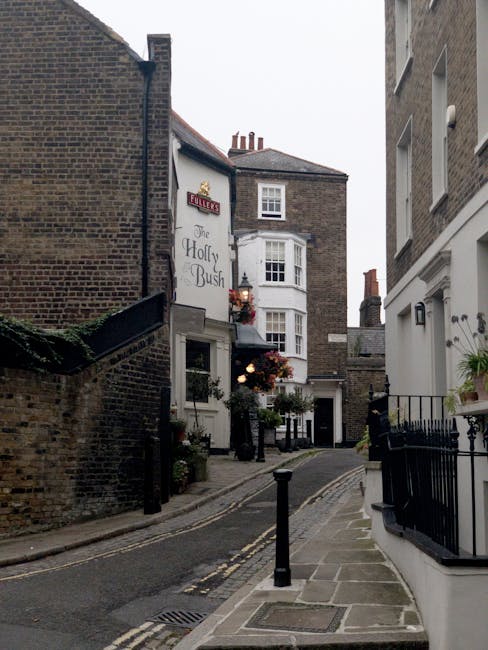
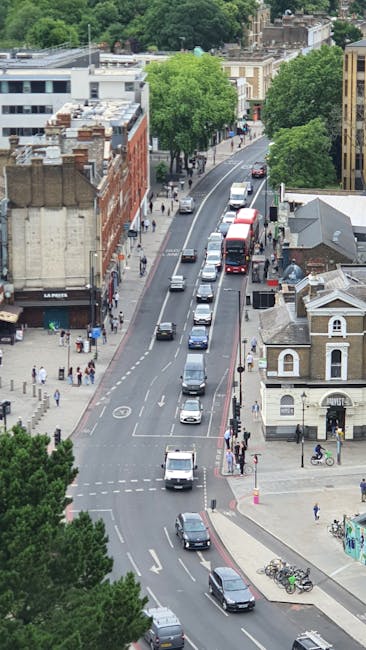
West Hampstead is busy, tight for space, and full of the kind of streets where one badly parked van can cause a small traffic drama. That matters because removals need a clear run: the crew needs to load fast, furniture needs to move without damage, and neighbours still need access. Loading bays are designed to support that, but only if you use them correctly.
The practical reality is that a loading bay is not a magical free-for-all. Many are time-limited, some are for specific vehicle types, and some can only be used during certain hours. In some situations, the bay may be available only for a short stay, or only when active restrictions are not in force. If you assume it is fine because "it looked empty," you may be in trouble. And yes, councils do issue penalties when vehicles overstay or park outside the permitted terms.
For removals, the stakes are higher than for a normal shop stop. A sofa cannot be carried from two streets away without effort, and nobody wants a wardrobe sitting in the rain while you chase a parking problem. Getting the bay right protects your move schedule, your budget, and your sanity. Not a bad trio, that.
It also helps neighbours. West Hampstead residents often deal with narrow roads, school runs, deliveries, and commuter traffic. When movers use the right bay properly, the whole street feels calmer. That sounds small, but on a moving day, calm is gold.
How West Hampstead loading bay rules for removals and fines overview Works
Loading bay use usually comes down to three things: location, restriction, and duration. First, you need to identify a bay that is actually suitable for your vehicle and your purpose. Second, you need to understand the signs on the street, because the sign is what counts, not guesswork. Third, you need to stay within the time allowed and keep the vehicle actively engaged in loading or unloading where required.
That last point catches people out. If a van is left in a loading bay while the team disappears upstairs, or if the bay is being used as a convenience spot for a long coffee break, that can be risky. Enforcement officers look at the vehicle, the bay type, and whether the loading activity appears continuous and genuine. It is a bit of a grey area in practice, so moving teams tend to be careful.
For removals in West Hampstead, the usual workflow is simple on paper and messy in real life:
- Check the street layout and restrictions before moving day.
- Confirm whether the loading bay can be used for your removal vehicle.
- Plan the arrival time around the bay's permitted hours.
- Keep key paperwork and contact details ready in case anything needs checking on the day.
- Load efficiently so the van does not sit longer than necessary.
Some streets are easier than others. Near busier areas, a bay may be shared with deliveries or short-stay parking, while quieter residential roads can still have strict controls. You will notice this especially around peak periods, such as weekday mornings, when everything seems to happen at once. The van arrives, someone is moving a mattress, a neighbour wants out, and the street gets lively very quickly.
If you are using a professional removals team, they should be used to this sort of thing. A good crew will arrive with enough people to keep loading moving, rather than leaving the van half full while someone searches for a missing box of cables. Small detail, big difference.
Key Benefits and Practical Advantages
Getting loading bay use right is not just about avoiding a penalty. It gives you real operational advantages that can make the whole day feel easier.
- Less walking distance: The closer the van is to the front door, the faster the move.
- Lower damage risk: Fewer turns, fewer stairs, fewer chances to knock something on a wall or pavement edge.
- Better time control: A lawful bay setup helps the team stay on schedule.
- Reduced stress: You are not watching the clock and worrying whether a ticket will land on the windscreen.
- Improved neighbour relations: A tidy, lawful setup tends to draw less complaint.
There is also a subtle but useful benefit: good parking planning makes the entire move feel more professional. That matters if you are moving from a flat with tight access, or if you are moving a business and need to keep disruption down. A clear loading plan often means the crew can work in a calmer rhythm, which usually means fewer mistakes. Less scrabbling. Less faff. More control.
Another practical upside is that you can better coordinate with building rules. Many West Hampstead blocks have entry systems, stairwells, and service rules that already slow things down. If the van is legally and sensibly placed, you remove one more friction point. And on a moving day, one less friction point can be the difference between finishing at 2:00 pm and still being there after dark with a lonely lamp and one final box of kitchen bits.
Who This Is For and When It Makes Sense
This topic matters to a lot of people, not just large house moves. In fact, some of the most awkward loading bay problems happen with smaller jobs, because people underestimate them.
- Home movers: If you are moving a flat, maisonette, or family home in West Hampstead, parking is likely to be a major part of the day.
- Students: Student moves often happen quickly, with small vans, boxes, and a narrow window to get everything out.
- Flat movers: Many West Hampstead properties have shared access, stair-only access, or limited kerb space.
- Office relocations: Office moves need tighter timing and more concern about business disruption.
- People using a man and van: A smaller vehicle may fit easier, but the rules still matter.
- Landlords and agents: If you manage move-ins and move-outs, you need a process that avoids parking surprises.
It makes sense whenever you need a vehicle close to the property and the local street layout is not generous. That is basically most of West Hampstead, to be fair. If your move involves bulky furniture, a piano, fragile items, or multiple trips, then loading bay planning becomes even more valuable.
One more thing: if you are comparing removals companies, ask how they handle parking and bay access. Their answer tells you a lot. A company that has thought this through will sound calm and specific, not vague.
Step-by-Step Guidance
Here is a practical way to plan a removal that depends on a loading bay in West Hampstead.
1) Check the street and the sign before you book the van
Start with the actual location. Not the postcode alone, the actual street. Look for loading bay signs, restriction hours, and any information on maximum stay. If the road has multiple bays, check whether they are identical. Sometimes they are not, and that catches people out in a very boring but expensive way.
2) Match the vehicle to the bay
Is the van size sensible for the bay and the access? A larger van is not always better if the street is tight, the turn is awkward, or the bay space is short. Smaller vehicles can be easier in West Hampstead because they are simpler to position, especially on roads where traffic keeps moving past.
3) Plan the timing with a buffer
Do not schedule a van to arrive at the exact minute you need everything perfect. Give yourself a buffer. Traffic, lifts, neighbours, keys, and that one drawer that somehow contains twenty loose batteries can all slow things down. A buffer gives you breathing room.
4) Keep the loading activity visible and continuous
If rules require active loading or unloading, make sure the job looks like a proper move, not a parked vehicle with nobody around. Crew coordination matters here. Keep the chain moving: carry, stack, load, repeat.
5) Watch the clock
Time limits matter. Set a timer if you have to. A phone alarm is not glamorous, but it works. If the bay allows only a short stay, you need to know when the countdown started. Not after the fact. Before.
6) Have a backup plan
If the bay is occupied or conditions change, know your fallback. A nearby legal waiting place, a second approach route, or a later arrival window can save the day. It is much better to have an awkward plan than no plan at all.
7) Keep evidence and documents handy
If there is any permit, booking confirmation, or instruction from a building manager, keep it accessible. Even when no formal permit is needed, having clear notes about the move can help if a question comes up.
Expert Tips for Better Results
A few small habits can dramatically reduce parking stress on removal day. These are the sorts of things experienced crews tend to do almost automatically.
- Arrive early enough to assess the street: A quick look before unloading tells you whether the plan still works.
- Use two people for parking guidance if needed: One person on the ground, one in the cab. Very ordinary, very effective.
- Pre-pack for faster loading: If boxes are clearly labelled and furniture is ready to move, the bay stay is shorter.
- Keep the route clear: Hallways, stairs, and front doors should not become bottlenecks.
- Protect key items first: Get the awkward or fragile pieces in while everyone is fresh.
One practical tip that often gets overlooked: speak to neighbours or building staff where appropriate. A quick heads-up can reduce friction. You do not need a grand announcement, just a simple explanation that a van will be loading for a short time. People are usually more accommodating when they know what is happening.
Also, avoid the classic "we'll be fine" mindset. Let's face it, moving day has a way of exposing optimism. It is better to be slightly over-prepared than confidently wrong.
Common Mistakes to Avoid
This is where fines and delays tend to appear. The mistakes are often small, but the consequences are not.
- Assuming a loading bay is unrestricted: An empty bay does not mean an unrestricted bay.
- Ignoring the sign wording: Conditions can vary by time, day, or vehicle type.
- Letting the van sit too long: Time limits are there for a reason.
- Booking the wrong vehicle size: A van that is too big creates access and parking issues.
- Failing to coordinate access: If the team cannot get into the property quickly, the van waits, and waiting can be costly.
- Not checking for nearby restrictions: Yellow lines, resident bays, and permit areas can all create problems even when a loading bay is nearby.
- Using the bay as storage: It is for loading, not for staging boxes while everyone else has a tea break.
There is also a quieter mistake: not planning for the return trip. If you are doing multiple loads, the bay might be available on the first run but not on the second. That is exactly the kind of thing people discover too late.
Tools, Resources and Recommendations
You do not need complicated equipment, but a few simple tools make a real difference.
- Phone calendar or reminder app: Set loading windows, arrival times, and key handover times.
- Printable moving checklist: Helps keep everyone aligned on the day.
- Measuring tape: Useful for checking whether furniture will fit through doors and into the van quickly.
- Labels and marker pens: Faster unpacking means less time under bay pressure.
- Blankets, straps, and covers: Protect items and reduce handling time.
For a broader moving plan, it can help to read related guidance on removals, man and van support, and packing services. If your move is more complicated than it first looks, the right combination of services can reduce the time spent on the street, which is exactly where you want efficiency.
If you need a quieter move with fewer interruptions, consider whether removals and storage could help. In some cases, splitting a move into two stages is the safest way to avoid parking pressure and rushed unloading. It is not glamorous, but it works.
Law, Compliance, Standards, or Best Practice
Parking and loading in London is a compliance issue as much as a practical one. Local restrictions, street signage, and any permit requirements all need to be respected. The exact rules depend on the street and the time of day, so it is important to rely on current signage and local instructions rather than assumptions or old advice from a neighbour who moved five years ago and now remembers everything "fairly clearly."
For removals, best practice is straightforward:
- Use only legal loading areas or properly authorised bays.
- Keep within any stated loading time limits.
- Do not obstruct traffic, driveways, crossings, or pedestrian space.
- Make sure the move is genuinely active if the bay requires active loading.
- Keep any relevant documents or booking references to hand.
Professional operators should also work in line with sensible safety standards. That usually means using safe lifting methods, protecting access routes, and not blocking exits or emergency paths. If you want to know more about how a company approaches safe working, it is worth reviewing health and safety policy details and insurance and safety information. Those pages help show whether the business takes its responsibilities seriously, and that matters when you are trusting someone with your furniture, walls, and possibly your favourite mug.
Best practice also includes clear customer communication. Good movers will tell you what they need from you, what they are likely to do at the curb, and what can slow the job down. That kind of clarity prevents a lot of awkwardness later. It also means fewer nasty surprises. Everyone likes fewer nasty surprises.
Options, Methods, or Comparison Table
There are a few different ways to handle a West Hampstead move depending on access, timing, and budget. Here is a simple comparison that may help.
| Method | Best for | Pros | Watch-outs |
|---|---|---|---|
| Large removals van | Full house moves and bulky items | More space, fewer trips | Can be harder to park and manoeuvre in tight streets |
| Smaller van or man and van | Flat moves, lighter loads, short notice jobs | Easier access, often more flexible | May need more trips if the load is large |
| Split move with storage | Staggered move dates or awkward access | Reduces pressure on the loading bay and schedule | Needs more planning and coordination |
| Full-service removals team | Busy households or office moves | Faster loading, stronger coordination, less stress | Usually costs more than a basic self-managed move |
Choosing between them often comes down to access. In West Hampstead, access is not a minor detail; it is the shape of the whole move. If the bay is tight and the street is active, a slightly smaller vehicle with a well-organised crew can outperform a bigger van that spends ten minutes trying to angle in. Sometimes the sensible choice is the boring choice. That is fine.
For more complex jobs, it may also help to look at flat removals or house removals depending on property type. If you are only moving a few items, small removals may be a better fit and can reduce the amount of time you need the vehicle on the road.
Case Study or Real-World Example
Picture a fairly typical West Hampstead flat move on a Friday morning. Two bedrooms, a dining table, boxes, and a narrow stairwell. The residents have timed the handover for late morning, and the removal crew arrives just after the first rush of commuter traffic has eased slightly. The street is active, but manageable.
The first mistake they avoid is assuming a nearby bay is free because it looks open. Instead, they check the signage, confirm the loading window, and position the van accordingly. The second smart move is that the boxes are already labelled, and the larger furniture has been broken down where possible. That cuts the loading time by a surprising amount.
By keeping the move active and organised, the team finishes inside the bay window with no drama. No ticket. No frantic dash to move the van. No one standing in the hallway wondering whether the sofa will ever leave the building. Honestly, it is almost pleasant. Almost.
Now compare that with the version where nobody checks the restrictions, the van sits too long, and the crew has to pause while someone finds a sign photo on their phone. That is when fines become more than a theoretical risk. The difference is rarely one dramatic error. Usually it is a handful of small ones stacked together.
Practical Checklist
Use this checklist before your removal day. It is simple, but it catches most of the common problems.
- Confirm the exact street and property access details.
- Read the loading bay sign on the day, not just from memory.
- Check whether the bay is time-limited or vehicle-specific.
- Book the right size of van for the road and load.
- Plan for traffic, lift delays, and building access issues.
- Keep packing efficient so loading is quick.
- Have any permits, bookings, or instructions available.
- Make sure the crew knows the arrival window.
- Arrange a backup plan if the bay is occupied.
- Protect the route from front door to van.
- Watch the time throughout loading.
- Do a final street check before leaving.
Key takeaway: the more compressed the street access, the more important it is to treat loading bay planning as part of the move itself, not a side issue. That mindset alone prevents a lot of trouble.
Conclusion
West Hampstead loading bay rules for removals and fines overview comes down to one practical idea: if you want a calm move, treat parking as seriously as packing. The right bay, the right timing, and a clear understanding of the restrictions can save time, money, and a fair bit of stress. In a busy area like West Hampstead, those gains are not small.
Whether you are moving a flat, a family home, or a business, the best approach is usually the same: check the rules, plan the van, keep the loading active, and leave enough room for the unexpected. Because there will almost always be one unexpected thing. There always is.
If you are comparing your options, start with the practical side first: access, timing, and compliance. Then choose the removals support that makes the day feel manageable rather than rushed.
Get a free quote today and see how much you can save.
Frequently Asked Questions
Can I use a loading bay for removals in West Hampstead?
Usually yes, if the bay allows loading activity and your vehicle and timing fit the posted restrictions. The key is to check the sign on the street and not assume that every loading bay works the same way.
Do loading bay rules apply to small vans as well as larger removals vans?
Yes. The rules normally apply to the vehicle using the bay, not just the size of the move. A small van can still be fined if it parks outside the permitted terms.
How long can a removal van stay in a loading bay?
That depends on the specific bay and its restrictions. Some bays allow short stays only, while others may have different time limits or operating hours. Always check the signage on the day.
What happens if the loading bay is occupied on arrival?
You may need to wait, use a backup legal stopping point, or adjust the schedule. This is why a buffer in your moving plan matters. Bays in busy parts of West Hampstead can be taken when you arrive.
Can I leave the van while the movers carry items upstairs?
It is safer to keep the move active and supervised. If the bay requires active loading, leaving the van unattended for too long can create risk. In practice, crews usually work in a way that keeps the process clearly moving.
Are fines common for removals in West Hampstead?
They are avoidable, but yes, they can happen when people ignore sign restrictions, overstay, or park in the wrong place. The combination of tight streets and busy traffic makes planning especially important.
Should I book a larger van to finish quicker?
Not always. A larger van may reduce trips, but it can also be harder to park and manoeuvre. In West Hampstead, the best choice is the one that balances access, load size, and loading speed.
Do I need to tell the council before using a loading bay?
Sometimes moving situations need permits or specific arrangements, depending on the street and local requirements. If in doubt, check ahead rather than guessing. Rules can vary from one road to the next.
What is the biggest mistake people make with loading bays?
Assuming the bay is free to use just because the space is empty. The sign controls the use, not the appearance of the road. That one catches people out a lot.
How can I reduce the risk of a fine on moving day?
Arrive early, read the sign carefully, use the bay only for genuine loading, stay within the time limit, and keep the move efficient. If you can, work with a removals team that understands local parking constraints.
Is a man and van service enough for a West Hampstead move?
For smaller moves, yes, it can be a sensible option. It is often easier to manage in tighter streets. For larger or more complex moves, a fuller removals service may be more practical.
What should I ask a removals company about loading bay planning?
Ask how they handle timing, vehicle choice, parking restrictions, and backup plans if the bay is unavailable. A good answer should sound specific and calm, not vague.
For related moving support, you may also want to explore local removals, permit guidance for West Hampstead moves, and difficult access removals solutions if your property has especially tight entry or parking constraints.
And if you are still weighing up your move, that is normal. A good plan starts with the street, not the sofa.