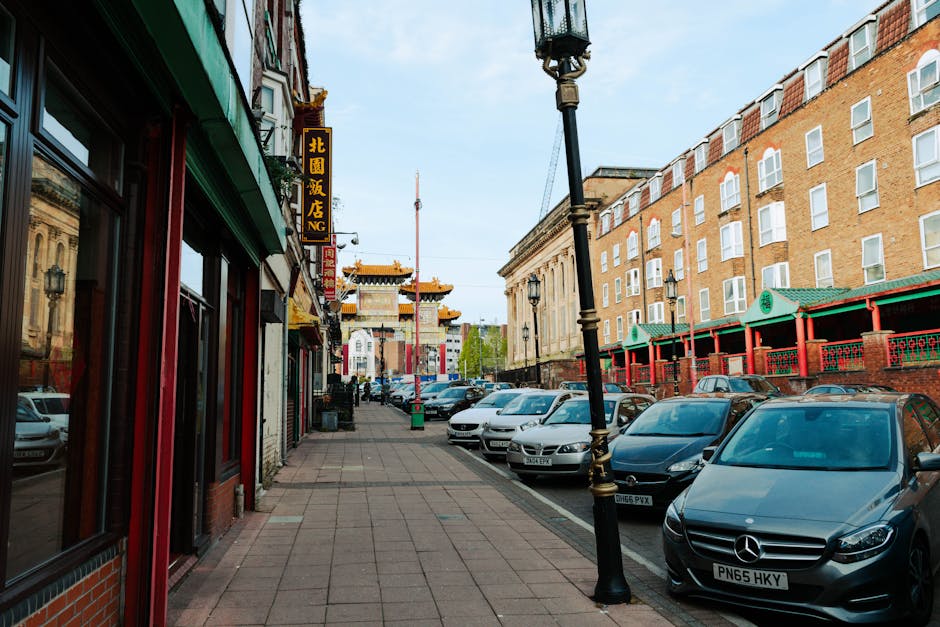
NW6 Removals Parking Tips for Fortune Green Moves
Parking is often the bit of a move that nobody talks about until the van arrives and the stress kicks in. In Fortune Green, that can mean a narrow street, a neighbour's car in the way, a tight turning circle, or a loader who can't quite get close enough to the front door. If you are looking for NW6 removals parking tips for Fortune Green moves, the good news is that a calm, well-planned approach makes a huge difference. You do not need to guess your way through it.
This guide pulls together the practical side of moving day in NW6: how to plan parking, how to avoid hold-ups, what to prepare before the van turns up, and when it makes sense to use services such as man and van support, flat removals, or full removals help. It is written for real-world moving, not an idealised version where every bay is empty and every street is wide enough for a lorry. Let's face it, that rarely happens.
Table of Contents
- Why parking planning matters in Fortune Green
- How parking for a move usually works
- Key benefits of getting parking right
- Who needs this guidance and when
- Step-by-step parking plan for moving day
- Expert tips for smoother Fortune Green moves
- Common mistakes to avoid
- Tools, resources and recommendations
- Law, compliance and best practice
- Options and comparison table
- Real-world example
- Practical checklist
- Conclusion
- Frequently Asked Questions
Why NW6 removals parking tips for Fortune Green moves Matters
Parking is not just a convenience issue on moving day. In an area like Fortune Green, it affects timing, lifting distance, safety, and even whether your move stays on budget. If the removals vehicle has to park two doors away, the team carries heavier items further, spends more time shuttling boxes, and may need extra help. That sounds small on paper. In practice, it can be the difference between a smooth morning and a very long one.
NW6 includes a mix of residential streets, mansion blocks, purpose-built flats, and terraced homes. That variety matters. A ground-floor flat with direct roadside access is one thing; a second-floor walk-up with no clear loading space is another entirely. Add in school-run traffic, delivery vans, and the usual London curbside competition, and you can see why planning ahead matters so much.
There is also a trust angle here. If you are speaking to a removals company, they will usually ask about access, parking, stairs, lift availability, and any restrictions. That is not bureaucracy for the sake of it. It helps them allocate the right vehicle and crew. A proper conversation early on avoids the awkward "actually, we can't stop here" moment when everyone is already sweating and the kettle has been packed away. Not ideal, to say the least.
Expert summary: The best parking plan is the one that reduces walking distance, keeps the loading area safe, and leaves no surprises for the removals crew. In Fortune Green, that usually means checking the street layout early, thinking about timed access, and having a backup plan.
How NW6 removals parking tips for Fortune Green moves Works
At its simplest, parking for a house or flat move is about creating a safe, legal, and practical place for the removals vehicle to stop while belongings are loaded or unloaded. For local moves, that often means finding space close to the property, even if only for a short period. For bigger jobs, it may involve more careful vehicle placement and possibly using more than one parking strategy during the day.
The process usually works like this. First, you assess the property and street. Then you decide whether the van can sit directly outside, whether a nearby bay will do, or whether you need a backup plan for a busier stretch of road. After that, you brief everyone involved: household members, neighbours if necessary, the removals team, and anyone helping with packing. The cleaner the plan, the fewer the delays.
In many Fortune Green moves, the main challenge is not the actual loading. It is the gap between the vehicle and the entrance. Even an extra 20 or 30 metres can feel longer when you are carrying a wardrobe or a stack of archive boxes. That is why services like local removals and small removals can be particularly useful for NW6 moves where access is a bit fiddly but the job still needs to be efficient.
Sometimes you will also need to think about the order of loading. Bulky furniture goes in first, fragile boxes later, and anything needed immediately should stay close to hand. If the parking arrangement is awkward, the loading order becomes even more important because you do not want repeated trips in and out of a cramped entrance hall. It all stacks up.
Key Benefits and Practical Advantages
Good parking planning does more than save a few minutes. It changes the feel of the entire move. You move from reactive to organised, and that difference is noticeable the moment the first box is carried out the door.
- Less physical strain: Shorter carrying distances reduce the chance of bumps, drops, and tiredness.
- Faster loading and unloading: The removals team can work at a steadier pace when the van is properly positioned.
- Lower stress: No one enjoys watching a driver circle the block while everyone waits with packed bags in the hallway.
- Better protection for belongings: Fewer handovers and fewer awkward corners mean fewer opportunities for damage.
- Improved neighbour relations: A tidy, thought-through setup is usually less disruptive.
- More predictable costs: Less wasted time can mean a more efficient job overall.
One thing people often miss is how parking affects the mood in the building. A move is noisy enough already. If you are constantly apologising to neighbours because the van is blocking a path or the team has to keep moving it, the day can feel more tense than it needs to be. A neat plan helps everyone breathe a bit easier. That matters more than people admit.
If your move also involves temporary storage, parking and access can affect that stage too. Many customers use removals and storage when they need a staged move, and careful access planning becomes even more important when items are going in and out over more than one trip.
Who This Is For and When It Makes Sense
These tips are useful for almost anyone moving in or out of Fortune Green, but some people will feel the benefit more than others.
You will find this especially helpful if you are:
- moving from a flat with limited street access
- arranging a local home move in NW6
- using a van on a road with tight parking bays
- moving during school drop-off or evening traffic
- handling furniture that is awkward to carry long distances
- combining your move with storage or a delayed completion
- moving office items, files, or equipment that need a smoother loading process
It is also especially relevant for renters, because tenancy timelines can be unforgiving. If the keys are handed over at midday and the parking is poor, the whole schedule can go sideways quickly. That is true for families too, of course, but renters often have even less room for delay.
For students, movers with fewer items, or people downsizing into a smaller property, parking still matters. A "small" move can still be frustrating if the vehicle cannot get close enough. That is where student storage or short-term storage can provide breathing space if you are trying to avoid a rushed same-day load and unload.
Step-by-Step Guidance
Here is a practical way to handle parking for a Fortune Green move without turning it into a drama.
- Check the street early. Walk the route the day before if you can. Look for resident bays, suspended bays, loading restrictions, single yellow lines, and any pinch points.
- Measure the access properly. Note whether the van can sit close to the entrance or whether steps, railings, bollards, or parked cars create an obstacle.
- Ask the removals team what vehicle they are bringing. A compact van and a larger removal lorry behave very differently in NW6 streets. The size of the vehicle matters more than people expect.
- Plan the timing. If the road gets busy at certain times, choose an earlier slot if possible. Morning moves often feel calmer, though that is not a hard rule.
- Prepare a backup position. If the best spot is occupied, know the second-best option before the crew arrives.
- Keep the entrance clear. Boxes, bikes, prams, and recycling bins have a habit of gathering near the door just when you need space.
- Brief neighbours if necessary. A quick heads-up can prevent awkward complaints and make it easier to manage shared access.
- Protect fragile items for the longer carry. If parking is a little way off, use sturdier packing and label delicate boxes clearly.
- Stay flexible. Sometimes a van has to park a bit further away. A calm adjustment is better than standing in the road arguing with traffic. Honestly, nobody needs that.
A useful trick is to think in zones: loading zone, carry zone, and fallback zone. The loading zone is the ideal spot. The carry zone is the walking distance the team can manage without losing efficiency. The fallback zone is the next workable place if your first choice is taken. That simple framing helps you make faster decisions on the day.
Expert Tips for Better Results
These are the sort of details that make the difference between "fine" and "actually pretty smooth".
1. Assume street space will be tighter than you hope
People often plan as though the road will be half empty. In reality, you may be competing with delivery vans, tradespeople, and neighbours who all got there before you. Build in a little humility. It saves grief.
2. Keep one person focused on access
If possible, nominate one person to watch the van position, the door, and the flow of boxes. Everyone else can carry on with packing or cleaning. That prevents too many opinions at the kerbside, which, to be fair, nobody really needs on moving day.
3. Match the service to the access challenge
If access is tight, a smaller vehicle or a more tailored service may be better than assuming bigger is always better. A flexible man and van arrangement can work well for lighter moves or awkward streets, while full removals make more sense for larger households or bigger furniture.
4. Keep essentials separate
Parking delays happen. So keep a small essentials bag with keys, water, chargers, documents, snacks, and any medication. It sounds obvious, but it is the sort of thing people forget while trying to remember which box holds the toaster.
5. Consider storage if parking is only part of the problem
Sometimes the real issue is not the parking itself, but the timing of the move. If completion dates, cleaning, or access windows do not align neatly, using self storage or mobile self storage can reduce pressure and give you more control.
One more thing: if you are moving anything valuable or business-related, look into secure storage or business storage instead of squeezing everything into a rushed same-day schedule. It can make the whole job feel more manageable.
Common Mistakes to Avoid
Most moving-day parking problems are avoidable. The trouble is, they are easy to underestimate.
- Not checking for restrictions: A bay that looks free may not be free for your purpose.
- Assuming the van can always stop outside: That works in some places, but Fortune Green streets can be less forgiving.
- Leaving parking to the last minute: If you are sorting it on the morning of the move, you are already behind.
- Ignoring building access: Door codes, intercoms, lifts, and narrow hallways all matter as much as the kerb space.
- Parking too far from the entrance without planning for it: It slows everything down and increases lifting risk.
- Forgetting about neighbours and shared driveways: A move can become awkward fast if you block someone's access without warning.
- Underpacking fragile items: Extra walking distance means extra movement, so boxes need to be solid.
A surprisingly common one? People forget that bins, scooters, and half-open gates can block the easiest access route. It sounds tiny. Then the team arrives and spends five minutes shifting stuff before the first box even moves. Those five minutes become twenty. That is moving-day maths.
Tools, Resources and Recommendations
You do not need a complicated toolkit, but a few simple things help a lot.
- Paper or phone notes: Use them to record the best loading spot, any restrictions, and the backup option.
- Measuring tape: Handy if you want to check whether furniture will clear a doorway or whether a van can sit close enough to the entrance.
- Labels and colour-coded tape: Helpful when items may need to be carried a little further.
- Sturdy boxes and proper packing materials: Especially useful when loads will be moved in stages. Packing services can be a smart choice if you want this handled professionally.
- Storage support: Useful when parking, timing, or chain delays make same-day completion awkward.
If you are planning a business relocation or moving archive boxes, document storage and office removals can be worth looking into. Office moves often have stricter timing and less room for parking guesswork than a domestic move.
For furniture-heavy homes, furniture storage can help if the destination is not quite ready. And if you are dealing with household clutter before the move, household storage gives you a place to park the overflow without filling every spare corner of the new place.
Law, Compliance, Standards, or Best Practice
Parking rules in London can vary depending on the street, the time of day, and the local restrictions in force. For that reason, it is sensible to treat signage, permits, and bay markings seriously rather than assuming a short stop will be fine. If you are unsure, it is better to verify than to gamble. Fines, objections from neighbours, and blocked access are not worth the risk.
From a removals perspective, best practice usually includes:
- planning the loading point before moving day
- keeping pathways clear and safe
- avoiding unnecessary obstruction of traffic or pedestrians
- using appropriate lifting techniques and equipment
- making sure the crew can work without taking avoidable risks
If your move involves steps, shared entrances, or awkward vehicle access, safety and access planning should sit together. That is one reason some customers review a company's health and safety approach and insurance and safety information before booking. It is a sensible habit, not an overreaction.
Also worth noting: if your move is linked to a purchase, tenancy deadline, or office handover, the timing may be tight even when parking is perfect. Good best practice is not about perfection. It is about reducing avoidable risk and keeping the day under control.
Options, Methods, or Comparison Table
Different parking approaches suit different Fortune Green moves. Here is a simple comparison to help you decide what makes sense.
| Parking approach | Best for | Pros | Limitations |
|---|---|---|---|
| Directly outside the property | Smaller domestic moves, easy-access homes | Fastest loading, shortest carry distance, less strain | Often unavailable in busier NW6 streets |
| Nearby legal bay or side street | Typical flat moves and medium-sized households | Usually realistic, often the best balance of access and legality | May add extra walking and require careful planning |
| Drop-off and shuttle carry | Tight streets, larger vehicles, restricted bays | Flexible when direct parking is impossible | Slower, more labour-intensive, can feel a bit messy if unplanned |
| Staggered move with storage | Delayed completions, renovations, complex timelines | Reduces pressure on moving day and helps with access challenges | Needs extra coordination and may involve more than one stage |
For many NW6 households, the "best" option is not the one nearest the door. It is the one that is predictable, legal, and easy to execute without causing unnecessary disruption. Simple, really.
Case Study or Real-World Example
Imagine a couple moving from a second-floor flat in Fortune Green into a nearby house a few streets away. Their street has a mix of resident bays and busy daytime parking. On paper, it looks manageable. In practice, the couple first plans to have the van outside the building, but on the morning of the move the nearest bay is occupied and a delivery vehicle is unloading opposite.
Because they had already discussed a backup plan with the removals team, nobody panics. The van parks a short distance away, the crew uses trolleys for the heaviest boxes, and the couple keeps a separate bag with passports, laptop chargers, and kettle supplies. It is not the dream scenario, but it works. The move stays calm, the furniture arrives intact, and they do not spend the morning wandering up and down the pavement wondering what to do next.
That sort of planning also helps if you are using house removals for a larger property move or flat removals for a compact apartment with stairs and no lift. In both cases, parking is not a side issue. It is part of the operational plan.
Truth be told, the most successful moves often look boring. No drama. No frantic phone calls. Just tidy planning and a crew that knows where it can stop.
Practical Checklist
Use this as a simple moving-day parking checklist for Fortune Green.
- Confirm the moving date, arrival window, and expected vehicle size.
- Inspect the street and note restrictions, bays, and pinch points.
- Identify the closest legal loading option.
- Choose a backup parking spot in case the first one is taken.
- Check building access: stairs, lifts, intercoms, and door codes.
- Tell the removals team about any narrow entrances or awkward corners.
- Move bins, bikes, and loose items away from the entrance.
- Pack an essentials bag for the first night and keep it separate.
- Warn neighbours if shared space may be affected.
- Keep an eye on timing so the van does not arrive before you are ready.
- Have a plan for items going into storage if the move is split over two days.
- Stay flexible if the first parking choice is not available.
If you are doing a more complex move, it can also help to review terms and conditions before booking, especially where access, waiting time, or storage are part of the arrangement. That way, nothing important is left to assumption.
Conclusion
Parking may look like a small detail, but in Fortune Green it can shape the whole moving experience. A good plan saves time, reduces strain, keeps the crew focused, and makes the day feel much less chaotic. The trick is not perfection. It is preparation, a sensible backup, and a realistic view of what the street will actually allow.
Whether you are moving a one-bed flat, a family home, or a small office, the same principle applies: think about access before the van arrives, not after. If you do that, you are already halfway to a calmer day. And that is worth a lot when the boxes are stacked by the door and the tea mugs are the first things you want to find.
Get a free quote today and see how much you can save.
When the street is tight and the schedule is full, a little planning goes a very long way. Keep it simple, keep it safe, and give yourself one less thing to worry about.
Frequently Asked Questions
How do I plan parking for a removals van in Fortune Green?
Start by checking the street a day or two before the move, noting any restrictions, bay markings, and traffic pinch points. Then agree a backup spot with your removals team so you are not making decisions under pressure on the day.
Do I need to reserve a parking space for a house move in NW6?
That depends on the street and the move. Some people can use an ordinary legal space, while others need a more deliberate plan because parking is limited. The safest approach is to check local restrictions early and build in a backup option.
What if the removals van cannot park outside my property?
It happens all the time, especially in busier parts of London. The team may park a short distance away and shuttle items to the vehicle. It is slower, but with good packing and a clear route, it is usually manageable.
Is a smaller van better for Fortune Green moves?
Not always, but sometimes yes. A smaller vehicle can be easier to place on tighter streets, especially for flat moves or smaller loads. For larger homes, though, a bigger vehicle may still be the better option if access allows it.
What should I tell my removals company about parking?
Give them the street name, access details, any bays or restrictions, and whether there are stairs, lifts, or shared entrances. If the route from van to door is awkward, say so. The more they know, the better they can plan.
Can parking delays affect the cost of my move?
They can, depending on how your booking is structured and whether waiting time or extra labour is involved. It is worth confirming expectations in advance so there are no surprises.
Should I ask neighbours to move their cars?
You can ask politely, but never assume they will be able to. A friendly heads-up is often appreciated, especially in shared streets or blocks. Just keep it polite and realistic.
How can storage help if parking is difficult?
Storage can make a move less rushed. If completion dates, access windows, or parking issues make a same-day move awkward, using short-term storage or another storage option can reduce the pressure and give you breathing room.
What is the best time of day to move if parking is limited?
Earlier in the day is often easier because roads are usually a little quieter, though that depends on the street and local traffic patterns. Morning moves also leave more time to solve problems if they crop up.
Do flat moves need different parking planning from house moves?
Yes, often they do. Flats can involve stairs, lifts, shared entrances, and tighter front-door access. That means the parking point and carrying route need extra attention, especially in NW6 buildings where space is limited.
How far can a removals team realistically carry items?
There is no single rule, because it depends on the item, the crew, the weather, and the building layout. But shorter is always better. The further the carry, the more time and effort the move will usually take.
Where can I get help with a local move in NW6?
If you want support with a local home move, a flat, or a small business relocation, look at services such as local removals or tailored moving support. The best fit depends on the size of the job and the access on the day.