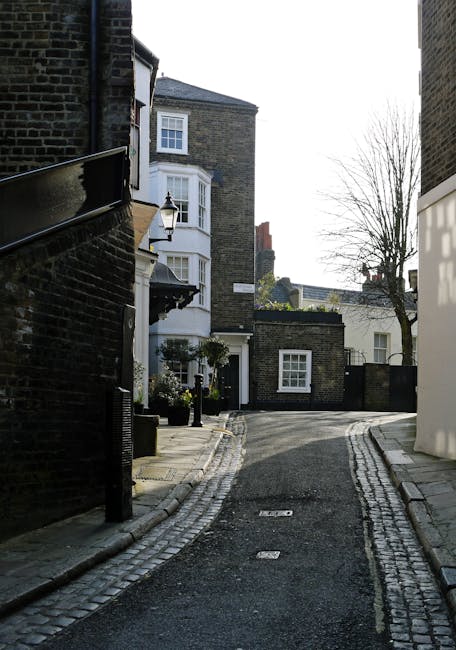
Mill Lane West Hampstead Removals and Moving Tips: A Practical Guide for a Smoother Local Move
Moving in West Hampstead can feel deceptively simple on paper. In real life, though, the timing, parking, access, and sheer amount of stuff in a flat can make it a proper juggling act. If you are planning Mill Lane West Hampstead removals and moving tips around a local move, the difference between a stressful day and a calm one usually comes down to preparation, clear communication, and a few small decisions made early.
This guide is designed to help you move with less faff and more confidence. You will find practical advice on planning, packing, moving day logistics, safety, costs, and the little local details that often get overlooked. We will also cover what to ask, what to avoid, and how to choose the right support for the job. Nothing fancy. Just useful, real-world guidance that actually helps.
For general company information and support, you can also browse the about us page, review pricing and quotes before you commit, or read the insurance and safety details if you want extra peace of mind. Those bits matter more than people think.
Why Mill Lane West Hampstead removals and moving tips Matters
West Hampstead has its own rhythm. Streets can be busy, parking can be tight, and many homes have stairs, narrow hallways, or awkward corners that make moving a sofa feel like a test of patience. Mill Lane, like much of the area, rewards anyone who plans ahead. That is the simple truth.
Good moving advice matters because removals are not just about lifting boxes. They are about reducing disruption. They are about protecting furniture, avoiding last-minute delays, and making sure the day does not unravel when the van arrives and nobody can find the kettle. Sound familiar?
Local moves also tend to be underestimated. People assume a short journey means a short list of problems. But short-distance removals can still go wrong if access is poor, loading takes longer than expected, or packing is rushed. A well-organised move in Mill Lane West Hampstead is often smoother than a longer one, but only if the logistics are handled with care.
There is also a trust angle here. A reliable removal plan gives you confidence whether you are moving from a compact flat, a family home, or a rental property with a tight deadline. If you are comparing service providers, it helps to look for clear process information, responsive communication, and straightforward terms. Pages such as the terms and conditions and contact us page can tell you a lot about how a business works before you even pick up the phone.
Key takeaway: a successful local move is usually won before moving day, not on moving day. Planning, access checks, and packing discipline do most of the heavy lifting.
How Mill Lane West Hampstead removals and moving tips Works
A good removals process usually follows a simple chain: assess what is moving, decide who is doing what, prepare the property, pack properly, and then load, transport, and unload in the right order. That sounds obvious, yet most moving stress comes from missing one small link in that chain.
In practice, the process usually starts with a quote or estimate. You explain the size of the move, access issues, and anything awkward such as a large wardrobe, fragile artwork, or a piano. If the move is local and straightforward, some people choose a smaller van and a couple of movers. If the property has multiple floors or bulky furniture, a fuller team may be the better call. It depends. Really, it does.
On the ground in West Hampstead, access planning matters just as much as manpower. Think about where the van can stop, how far the walk is from the front door, whether there are controlled parking restrictions, and whether you have enough space for loading without causing a bottleneck. These are the little things that can save 30 minutes here and 20 minutes there. That adds up fast.
The physical move itself should feel orderly, not chaotic. Ideally, heavier items go in first, fragile items are protected and labelled clearly, and boxes are stacked by room and priority. At the other end, unpacking becomes easier if the same logic is preserved. It is not glamorous, but then moving rarely is.
If your move includes storage, clearance, or sustainability considerations, it is worth checking how those are handled too. A local page like recycling and sustainability can be useful if you want to reduce waste during the move or dispose of unwanted items responsibly.
Key Benefits and Practical Advantages
There are several clear benefits to approaching Mill Lane West Hampstead removals with a proper plan.
- Less damage risk: Thoughtful packing and protective materials reduce the chance of chips, scratches, and breakages.
- Better time control: When boxes are labelled and access is organised, the move flows instead of stalling.
- Lower stress: You know what is happening and when, which is half the battle on moving day.
- Improved cost control: Fewer delays and fewer emergency purchases usually mean less wasted money.
- Safer handling: Proper lifting and loading reduce the chance of injuries or accidents.
- Cleaner unpacking: A room-by-room packing system makes the new place feel liveable faster.
There is also a psychological benefit. A move becomes much more manageable when it stops feeling like one giant task and instead becomes a sequence of small steps. Pack the kitchen today. Confirm parking tomorrow. Move the books last. Simple, but effective.
One practical advantage people overlook is the way good organisation protects relationships. Moving day can get tense, especially if family members or flatmates are involved. Clear labelling, a shared timeline, and a designated "do not pack" zone can spare everyone a lot of back-and-forth. You will notice the difference by lunchtime.
Who This Is For and When It Makes Sense
This advice is useful for anyone moving in or around Mill Lane, West Hampstead, but it is especially relevant if your move has one or more of these features:
- You are moving from a flat or maisonette with stairs or limited lift access.
- You have bulky furniture that needs careful handling.
- You are moving on a tight schedule, such as a tenancy changeover.
- You need to navigate parking or loading restrictions.
- You are combining moving with decluttering, storage, or downsizing.
- You want a more efficient move without turning your week into a box-stacking marathon.
It also makes sense if you are the sort of person who likes to avoid drama later. Not everyone needs a huge removals operation, of course. Some people only need a sensible van and careful planning. Others need help from start to finish. The key is matching the support to the actual job, not the one you wish you had. That bit trips people up.
If you are still weighing up the next step, the pricing and quotes information is a sensible place to start. You can compare options without guessing, and that alone is reassuring.
Step-by-Step Guidance
Here is a practical way to approach a move in stages. You do not need perfection. You need momentum and a half-decent system.
- Start with a room-by-room inventory. Write down what is staying, what is going, what needs special care, and what can be sold or donated.
- Check access at both addresses. Look at stair width, lift size, doorway clearance, and where a van can stop. If you can, stand at the entrance with a tape measure in hand. It feels a bit nerdy, but it saves headaches.
- Choose the right moving support. Decide whether you need full removals, loading help, transport only, or just a man-and-van style service for a smaller move.
- Book parking or plan loading space. In busy parts of West Hampstead, this matters more than people expect. A van with nowhere to stop can throw the whole schedule off.
- Pack by category and room. Keep heavy items in smaller boxes. Use sturdy tape. Label every box with its room and a brief contents note.
- Prepare an essentials box. Put in chargers, snacks, toilet roll, kettle items, medication, a mug, and a change of clothes. Yes, really.
- Protect fragile and valuable items. Wrap glassware, mirrors, framed art, and electronics carefully. If in doubt, use more padding than you think you need.
- Keep a clear path through the property. Remove loose rugs, trailing cables, and clutter from hallways before the movers arrive.
- Do a final sweep before departure. Check cupboards, lofts, under beds, and behind doors. The missing remote control usually shows up in the last five minutes.
- Unpack the practical rooms first. Kitchen, bathroom, and bedding should come before decorative items. Comfort first. Wall art can wait.
That order is not rigid, but it is reliable. A lot of moving stress comes from trying to unpack in the wrong sequence. The result? Boxes everywhere and nobody knows where the scissors are. Not ideal.
Expert Tips for Better Results
Here is where a few experienced habits can make a surprisingly big difference.
Pack for lifting, not just for storage
Many people pack boxes so full that they become unmanageable. A box can look tidy and still be a terrible box to carry. Keep heavier items in smaller cartons, and avoid creating "brick boxes" that need two people for one trip. Your back will thank you.
Label more than the room
Writing "kitchen" on a box helps, but "kitchen - pans and utensils - unpack first" helps more. Little notes on priority save time at the other end. It sounds fussy until you are hunting for a saucepan at 8 p.m.
Keep cables and small parts together
Bag screws, brackets, remote controls, and charger leads in clearly labelled pouches. Tape them to the furniture they belong to, or keep them in a dedicated parts box. This one trick prevents a lot of silly delays.
Use the move to declutter
A move is the best time to ask a blunt question: do you still want this? If not, set it aside early. Fewer items means fewer boxes, less lifting, and often less cost. If you need help reducing waste, the recycling and sustainability page is worth a look.
Be realistic about timing
Even a small move can take longer than expected if the property has narrow access or multiple floors. Build in buffer time. That way, if the day runs smoothly, you feel ahead. If not, you are still okay. That is the trick.
Keep valuables and essentials with you
Passports, jewellery, contracts, laptops, and irreplaceable personal items are best kept with you rather than loaded into the van. It is a simple precaution, and it removes one more point of worry.
For extra reassurance around handling and cover, read the health and safety policy and insurance and safety information before booking. You do not need to memorise anything. Just make sure you understand how the process is managed.
Common Mistakes to Avoid
Most moving problems are boringly predictable. The good news is that means they are avoidable.
- Leaving packing too late: Last-minute packing leads to broken items, missing essentials, and more stress than necessary.
- Underestimating access issues: A quick local move can still be delayed by stairs, parking, or tight turns.
- Overfilling boxes: Heavy boxes slow down the move and increase the risk of injury.
- Not measuring furniture: If a wardrobe will not fit through the door, you want to know that before moving day. Obvious, but often skipped.
- Forgetting parking or loading space: The van needs somewhere to stop. Simple, yet easy to overlook in a busy street.
- Failing to label fragile items clearly: A box marked "miscellaneous" rarely inspires confidence.
- Ignoring the essentials box: The first evening in a new place can feel chaotic without basics to hand.
A classic mistake is to assume that "local" means "easy". Sometimes yes, sometimes no. A move across one or two streets can be more awkward than a cross-London job if access is tighter or the load is more complicated. Strange, but true.
If you want to understand how queries, billing, and terms are handled, the payment and security page and terms and conditions are sensible reading before you confirm anything. Transparency helps everyone.
Tools, Resources and Recommendations
You do not need a warehouse full of gear to move well, but a few basic tools make life easier.
| Item | Why it helps | Best use |
|---|---|---|
| Strong packing tape | Keeps boxes secure during lifting and stacking | Everyday packing, especially heavy or mixed contents |
| Marker pens | Clear labels speed up loading and unpacking | Room labels, fragility notes, priority marking |
| Furniture blankets | Protect wood, glass, and painted surfaces | Tables, wardrobes, headboards, appliances |
| Bubble wrap or paper wrap | Helps protect breakables and awkward items | Glass, crockery, mirrors, decor |
| Zip bags or small pouches | Useful for screws, brackets, and cables | Furniture disassembly and electronics |
| Trolley or sack barrow | Reduces manual carrying for heavier items | Boxes, appliances, tight corridors |
As for practical recommendations, start with the things that reduce friction: labels, tape, and a good plan for the first night. Then think about the heavy stuff. People often reverse that order and regret it later.
If you are comparing support options, it can be useful to review the company's complaints procedure as well. A straightforward policy is usually a sign of an organised operation. Nobody wants to need it, naturally, but it is better to know it exists.
For broader company values and background, the about us page is also helpful, particularly if you care about how the business approaches service, reliability, and customer care.
Law, Compliance, Standards, or Best Practice
Moving home is not usually a heavily regulated consumer experience in the way some industries are, but there are still important standards and expectations to keep in mind. In the UK, you should expect clear pricing, honest descriptions of the service, careful handling of goods, and reasonable attention to health and safety.
From a practical standpoint, the main compliance issues tend to be around safe lifting, safe loading, property access, parking arrangements, and fair communication about what is included in the service. If a move involves shared entrances, tight stairways, or communal areas, best practice is to keep walkways clear and minimise disruption. That matters to neighbours too, of course.
You should also expect sensible handling of personal data if you are booking online or requesting a quotation. Reading the privacy policy and cookie policy is not thrilling, but it does show how information is used and protected.
If you have accessibility needs, it is worth checking whether communication and processes are designed to be clear and inclusive. The accessibility statement is a useful indicator that the business has thought about how different users access information.
And if sustainability matters to you, it is fair to ask how unwanted items, packing waste, and reusable materials are managed. A considered removals process should not leave a trail of cardboard and plastic everywhere. That is just common sense, really.
Options, Methods, or Comparison Table
Not every move needs the same approach. The right method depends on budget, time, access, and how much help you actually want on the day.
| Approach | Best for | Main advantage | Potential drawback |
|---|---|---|---|
| DIY van hire | Small moves with flexible timing | Low upfront cost | You handle loading, driving, and lifting |
| Man and van | Light to medium local moves | Simple and relatively fast | Limited hands for heavy or awkward items |
| Full removals service | Busy households, large flats, or complex access | Less stress and more support | Usually costs more than basic transport only |
| Hybrid move | People who pack themselves but need lifting help | Flexible and cost-conscious | Requires more coordination |
There is no universal best option. The right choice is the one that matches your property, your timeline, and how much lifting you want to do. If you have a heavy sofa, a narrow staircase, and a tight handover time, paying for more help can honestly be the calmer choice. Not glamorous. Still sensible.
Case Study or Real-World Example
Picture a common local move: a one-bedroom flat off Mill Lane, a second-floor walk-up, and a moving day booked between ten and two. Nothing dramatic, but enough moving parts to cause a wobble if the plan is loose.
The person moving has a mix of books, kitchenware, a bed frame, a desk, and a couple of fragile lamps. They start a week early, pack non-essentials first, and label every box by room. They also measure the desk and bed frame, discover the desk needs dismantling, and put all screws in a sealed bag taped to the frame. Small win.
On the day, the path through the flat is clear, the essentials bag is kept separate, and the van knows exactly where it can stop. The movers do not have to guess which box is priority, because the labels already say so. The whole job still takes effort, of course, but it feels controlled rather than frantic.
That sort of move is usually the difference between "exhausted but fine" and "why did we leave this until now?". If you have ever done a move where the teabags were missing for twelve hours, you will know the feeling. Not ideal at all.
In that example, the best result came from planning rather than luck. That is what good Mill Lane West Hampstead removals and moving tips should do: remove guesswork, reduce friction, and keep the day moving.
Practical Checklist
Use this checklist to keep your move on track. It is deliberately simple.
- Confirm moving date and arrival window
- Check access at both properties
- Measure large furniture and doorways
- Reserve or plan parking/loading space
- Gather boxes, tape, labels, and wrap
- Pack room by room
- Label fragile items clearly
- Set aside important documents and valuables
- Prepare an essentials box for the first night
- Dispose of or recycle unwanted items responsibly
- Clear hallways and protect floors if needed
- Do a final walk-through before leaving
- Check the new property for any immediate issues
- Unpack kitchen, bathroom, and bedding first
If you want a calmer experience, keep this list visible during the last 48 hours before the move. A printed checklist on the fridge can be surprisingly useful. Old-school? Maybe. Effective? Absolutely.
Get a free quote today and see how much you can save.
Conclusion
Mill Lane West Hampstead removals do not need to become a major ordeal. With a sensible plan, accurate access checks, careful packing, and a realistic view of what the day involves, you can keep the move under control and avoid the usual last-minute scramble.
The biggest wins are rarely dramatic. They are the quiet ones: boxes that are labelled properly, furniture that fits through the doorway, a van that can park where it needs to, and an essentials bag that stops the first night from feeling like a treasure hunt. Small things. Big difference.
If you are comparing options, take the time to understand pricing, service details, safety standards, and support before you book. That extra bit of care tends to pay for itself in calmness alone.
And honestly, a move that ends with everything in the right room and a cup of tea in hand feels rather good. Simple as that.
Frequently Asked Questions
What should I do first when planning a Mill Lane West Hampstead move?
Start with an inventory and an access check. List what you are moving, measure large items, and look at parking, stairs, and door widths at both addresses. That gives you a realistic starting point.
How far in advance should I book removals in West Hampstead?
The earlier the better, especially if you want a specific date or are moving at a busy time of month. Even local moves can get busy, so leaving it late can narrow your options.
Is a man and van service enough for a flat move?
Sometimes yes. If your move is small, your furniture is manageable, and access is straightforward, it can be a practical choice. If you have stairs, heavy items, or a full household, more help may be better.
How do I protect fragile items during a move?
Use proper padding, wrap each item individually where needed, and label boxes clearly. Do not overpack fragile boxes. Leave a little space for cushioning so items are not pressing against each other.
What is the best way to label moving boxes?
Label each box with the room, a short contents note, and whether it needs to be unpacked first. For example: "Kitchen - plates - fragile - first open." That saves a lot of time later.
How can I make moving day less stressful?
Prepare early, keep essentials separate, and clear access paths before the movers arrive. A calm, ordered start usually leads to a calmer day overall. Simple, but it works.
What should go in an essentials box?
Put in chargers, toilet roll, snacks, water, medication, kettle items, a mug, basic toiletries, and a change of clothes. Add anything you will want in the first 24 hours without digging through boxes.
Do I need to worry about parking in Mill Lane or nearby streets?
Yes, parking and loading space can make a real difference in how smoothly the move goes. Check the situation in advance and build in a buffer in case the first stopping point is not ideal.
How do I know if a removals provider is trustworthy?
Look for clear information about services, pricing, safety, terms, and complaint handling. Pages such as pricing and quotes, health and safety policy, and complaints procedure can help you judge how organised and transparent the business is.
What if I need to dispose of unwanted items before moving?
Sort them early and separate reusable, recyclable, and waste items. If sustainability matters to you, check the company's recycling and sustainability information so you can reduce waste responsibly.
Should I read the terms before booking a move?
Yes. It is sensible to understand what is included, what is not, how payments work, and what happens if plans change. The terms and conditions page is there for exactly that reason.
Where can I ask for help or make an enquiry?
The best next step is to use the contact us page. If you are still comparing options, it is worth checking the about us page too, so you know who you are speaking to.